

كيفية تهدئة فروة الرأس بشكل طبيعي: 7 خطوات
Editorial Teamقائمة المحتويات
- افهم أسباب حكة فروة الرأس وخيارات العلاج
- الخطوة 1: حدد ما إذا كانت فروة رأسك جافة أم متقشرة
- الخطوة 2: اختر العلاجات المنزلية لفروة الرأس الجافة
- الخطوة 3: استخدم زيت الزيتون لتخفيف فروة الرأس الجافة
- الخطوة 4: ضبط عدد المرات لغسل فروة رأس حكة
- الخطوة 5: ضع زيت فروة الرأس والتدليك للتداول
- الخطوة 6: تعرف على موعد طلب الرعاية المهنية
- الخطوة 7: قم ببناء روتين فروة رأسك الطبيعي للإغاثة طويلة الأجل
- الاسئلة المتكررة
آخر تحديث: 21 أكتوبر 2026
افهم أسباب حكة فروة الرأس وخيارات العلاج
أ حكة في فروة الرأس هي واحدة من أكثر شكاوى الشعر شيوعًا، ومع ذلك لا يعرف الكثير من الناس كيفية تهدئة حكة فروة الرأس بشكل طبيعي عند التعامل مع الجفاف أو قشرة الرأس أو التهيج البسيط. الفرق مهم لأن كل منها يتطلب نهجًا مختلفًا. إن فهم ما يحدث بالفعل على فروة رأسك هو الخطوة الأولى نحو الراحة الحقيقية.
محفزات شائعة في بيئتك
فروة رأسك غير موجودة في عزلة. تؤثر البيئة من حولك بشكل مباشر على صحتها.
الحرارة والهواء الجاف قاسيان بشكل خاص. إنها تسرع فقدان الرطوبة من فروة رأسك وخيوط الشعر.
تراكم المنتج هو جاني صامت آخر. يتراكم الشامبو الثقيل والبلسم ومنتجات التصميم على فروة الرأس بمرور الوقت. يمنع هذا التراكم الزيوت الطبيعية من القيام بعملها ويحبس خلايا العرق والجلد الميتة تحتها.
تردد الغسيل مهم أيضًا. يزيل تجريد فروة رأسك بالشامبو اليومي الزيوت الواقية بشكل أسرع مما يمكن لجسمك استبدالها.
فروة الرأس الجافة مقابل قشرة الرأس: كيفية معرفة الفرق
فروة الرأس الجافة تشعر بالضيق وعدم الارتياح. سترى رقائق بيضاء صغيرة جافة الملمس. قد تشعر فروة الرأس نفسها بالخشونة أو العطاء. تحدث فروة الرأس الجافة عندما تفتقر فروة رأسك إلى الرطوبة والزيوت الطبيعية.
قشرة الرأس مختلفة. الرقائق أكبر ودهنية وغالبًا ما تكون صفراء. قد تشعر فروة رأسك بالحكة ولكن ليس بالضرورة ضيقة. تحدث قشرة الرأس عندما تتكاثر الخميرة أو البكتيريا على فروة الرأس، مما يسبب الالتهاب والتساقط.
التمييز مهم لأن علاج فروة الرأس الجافة يتطلب ترطيبًا وزيتًا، بينما تحتاج قشرة الرأس أحيانًا إلى دعم مضاد للفطريات أو مضاد للبكتيريا.
الخطوة 1: حدد ما إذا كانت فروة رأسك جافة أم متقشرة
انظر عن كثب إلى فروة رأسك والرقائق التي تسقط. هل هي صغيرة ومسحوقة أم أكبر ودهنية ؟ هل تشعر فروة رأسك بضيق أم أنها دهنية حتى بعد الغسيل ؟
اكتب ما لاحظته:
- حجم القشور والملمس
- سواء شعرت بفروة رأسك بالجفاف أو الزيتية
- متى بعد غسل عودة الحكة
- سواء رأيت الاحمرار أو الالتهاب
تخبرك هذه الملاحظة البسيطة ما إذا كنت تتعامل مع الجفاف أو قشرة الرأس أو كليهما. إنه أساس اختيار العلاج الصحيح. بمجرد أن تعرف ما تعالجه، يمكنك اختيار العلاجات التي تعالج السبب الجذري بالفعل بدلاً من إخفاء الأعراض.
الخطوة 2: اختر العلاجات المنزلية لفروة الرأس الجافة
تعمل العلاجات الطبيعية لأنها تهدئ فروة الرأس بشكل طبيعي من خلال معالجة ما تفتقده فروة رأسك بالفعل: الرطوبة، والأس الهيدروجيني المتوازن، وتقليل الالتهاب. كل علاج أدناه يقوم بعمل واحد محدد. يخلق الجمع بينها تأثيرًا أقوى من استخدام أي علاج واحد وحده.
زيت جوز الهند لترطيب فروة الرأس بعمق
Coconut oil penetrates the scalp and hair shaft, sealing in moisture without leaving a heavy residue. Apply it directly to your scalp, focusing on dry areas.
Warm the oil slightly before applying. This helps it spread more easily and improves absorption. Massage it gently into your scalp using your fingertips, then comb through your hair to distribute it evenly.
The key is consistency. Use coconut oil once or twice weekly as part of your routine. Over time, your scalp will retain more moisture naturally, and itching will decrease.
Tea tree oil and essential oil safety
Tea tree oil has natural antibacterial and antifungal properties. It can help if your itchy scalp is related to yeast or bacteria. However, it's strong and can irritate if applied undiluted.
Always dilute essential oils before using them on your scalp:
- Mix 2-3 drops of tea tree oil with a carrier oil like jojoba or coconut oil
- Never apply undiluted essential oil directly to skin
- Do a patch test on a small area first to check for sensitivity
- Wait 24 hours before using it on your full scalp
If you have sensitive skin or eczema-prone scalp, test even diluted oils carefully. Some people react to tea tree oil despite dilution. Start with a very small amount and observe your scalp's response before increasing frequency.
Apple cider vinegar rinses to balance scalp pH
Apple cider vinegar restores your scalp's natural pH balance. An imbalanced pH allows bacteria and yeast to thrive. A vinegar rinse helps reset this balance.
Mix one part apple cider vinegar with three parts water. After shampooing, pour this rinse slowly over your scalp and hair. Leave it on for 1-2 minutes, then rinse with cool water. Use this once weekly.
The smell fades as your hair dries. Many people find that just one or two vinegar rinses reduce itching noticeably.
Aloe vera to reduce inflammation
Aloe vera cools and soothes inflamed skin. It also has mild antimicrobial properties. If your scalp is red, tender, or burning, aloe vera provides fast relief.
Use pure aloe vera gel from a plant, or buy 100% aloe vera gel from a pharmacy. Apply it directly to your scalp, focusing on inflamed areas.
Aloe vera works best when applied to a clean scalp, so use it after shampooing but before applying oils. You can use it several times weekly without risk of irritation.
Step 3: Use Olive Oil for Dry Scalp Relief
Olive oil is heavier than coconut oil but deeply nourishing for very dry scalps. It contains antioxidants and vitamin E that protect and repair damaged scalp tissue.
Warm olive oil gently before applying. Use less than you would with coconut oil because it's richer.
Leave olive oil on for at least 45 minutes. Many people prefer overnight treatments. Wrap your head in a warm towel to help the oil penetrate deeper.
Use olive oil once weekly if your scalp is very dry, or every two weeks for maintenance.
Step 4: Adjust How Often to Wash an Itchy Scalp
How often you wash your scalp directly affects how itchy it becomes. Washing too frequently strips natural oils faster than your body replaces them. This triggers your scalp to overproduce oil, which then feels uncomfortable.
Most people with itchy scalps benefit from washing less frequently. Start by extending the time between washes by one day. If you currently wash daily, try every other day.
This adjustment takes time. Your scalp may feel greasier for the first week or two as it adjusts. Stick with it.
Gentle shampooing techniques that protect scalp health
When you do wash, use a gentle technique that protects your scalp:
- Use lukewarm water, not hot water (hot water strips oils faster)
- Apply shampoo to your scalp, not just your hair
- Massage gently using your fingertips, not your nails
- Rinse thoroughly with cool water
- Avoid rubbing your scalp harshly with a towel after washing
Choose a gentle, sulfate-free shampoo if possible. Sulfates are harsh detergents that strip your scalp aggressively. A milder shampoo cleans without damaging your scalp's protective barrier.
Pat your hair dry with a soft towel instead of rubbing. This prevents additional friction and irritation. If you use a blow dryer, use the lowest heat setting and keep it at least 15 centimetres away from your scalp.
Step 5: Apply a Scalp Oil and Massage for Circulation
Scalp massage increases blood flow to hair roots. Better circulation delivers more oxygen and nutrients to your scalp, which accelerates healing and reduces itching.
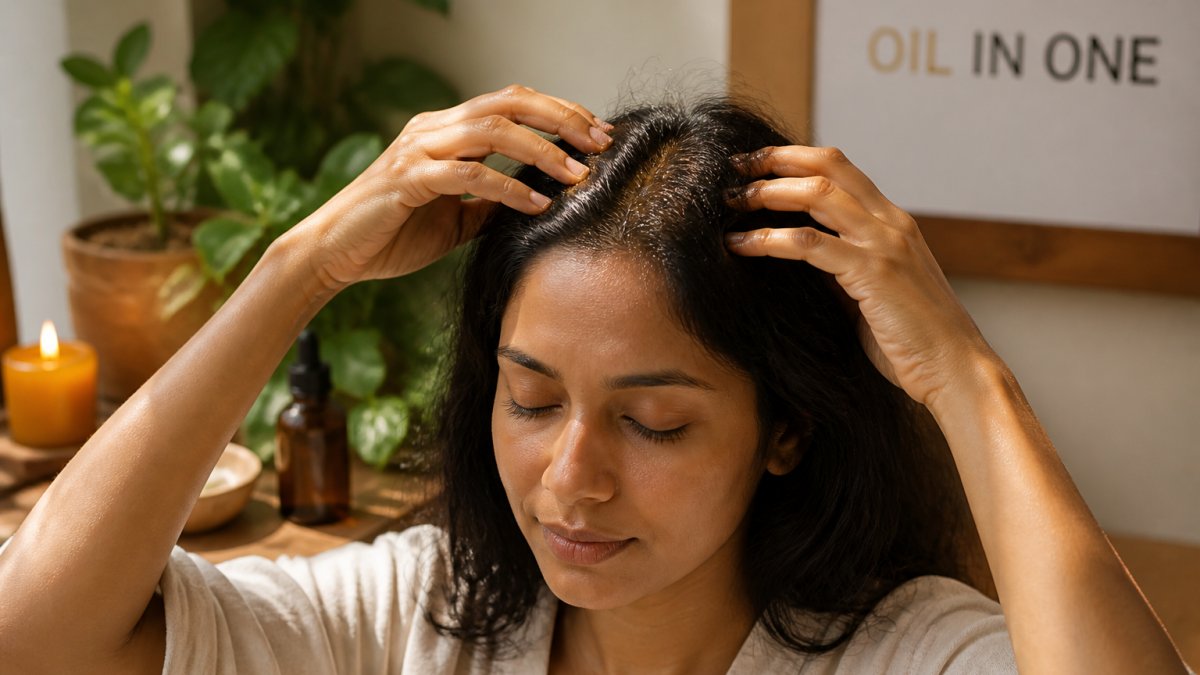
Apply your chosen oil (coconut, olive, or a dedicated scalp oil) directly to your scalp. Use your fingertips to massage in slow, circular motions.
Spend 3-5 minutes on this massage. You should feel gentle pressure and warmth, not pain.
Massage 2-3 times weekly, preferably before bed or on a day you're not washing your hair. This allows the oil to absorb fully.
Step 6: Know When to Seek Professional Care
Most itchy scalps improve with consistent natural treatment. If yours doesn't, or if you notice warning signs, professional evaluation is important.

Seek care if you experience:
- Severe pain or burning that doesn't improve with gentle treatment
- Spreading redness or open sores on your scalp
- Hair loss that accelerates or becomes noticeable
- Swelling or signs of infection
- Itching that wakes you at night or prevents concentration
- Symptoms that spread to your face, ears, or neck
These signs may indicate a condition like eczema, psoriasis, fungal infection, or bacterial infection that requires professional diagnosis. A dermatologist can identify what's actually happening and recommend targeted treatment.
Don't delay seeking care if symptoms worsen. Professional treatment often works faster and more effectively than home remedies alone for serious conditions.
Step 7: Build Your Natural Scalp Routine for Long-Term Relief
The best remedy is consistency. A simple routine you follow regularly beats occasional intensive treatments. The goal is to establish habits that keep your scalp healthy long-term.
Your routine should include:
- Washing 2-3 times weekly with gentle shampoo
- Weekly scalp massage with oil (3-5 minutes)
- Monthly deep conditioning treatment (coconut or olive oil overnight)
- Daily hydration (drinking adequate water supports scalp health)
- Avoiding harsh heat styling and tight hairstyles
Start with these basics. Once your scalp improves, you may be able to reduce frequency slightly.
Track what works. Write down which oils you use, how often you apply them, and how your scalp responds.
Building a natural scalp care routine doesn't require expensive products or complicated steps. It requires understanding what your scalp actually needs and addressing it consistently.
At Oil In One, we've built our entire approach around scalp-first care because we know that healthy roots are the foundation for strong hair growth. Pair it with the Bamboo Scalp Massager (AED 60.00) to amplify the benefits of massage, and you have a complete natural routine that addresses itching at its source.

Frequently Asked Questions
Can dry scalp cause hair loss?
A dry, inflamed scalp can contribute to hair shedding, especially if the underlying irritation weakens the hair root. When your scalp lacks moisture and becomes irritated, it creates an environment where hair strands are more prone to breaking or falling during washing and brushing. Soothing an itchy scalp naturally with moisturizing oils and gentle care helps stabilize the scalp environment and reduce unnecessary shedding. If hair loss persists despite scalp care, consult a healthcare provider to rule out other causes.
How can I tell whether my itchy scalp is dry or dandruff-prone?
Dry scalp produces fine, white flakes that feel tight and uncomfortable, especially after washing. Dandruff appears as larger, oily flakes and often involves a fungal element. To test: apply a light oil to your scalp and wait 24 hours. If itching improves, you likely have a dry scalp; if it worsens or stays the same, the issue may be fungal. Dry scalp responds well to home remedies like coconut oil and gentle washing, while dandruff may need medicated treatment. Start with natural moisturizing remedies and adjust based on results.
Can I use olive oil for dry scalp?
Yes, olive oil is an effective natural remedy for dry scalp. Its fatty acids and antioxidants help seal in moisture and reduce inflammation. Apply warm (not hot) olive oil directly to your scalp, leave it for 30 minutes to 2 hours, then shampoo thoroughly to rinse it out. Some people find pure olive oil heavier than lighter oils like jojoba or argan, so start with a small amount. If you prefer a lighter option formulated specifically for scalp health, botanical scalp oils blended with multiple moisturizing ingredients may absorb faster while delivering similar hydration benefits.
How often should I wash an itchy scalp?
Washing too frequently strips natural oils and worsens itching; washing too infrequently allows buildup. For an itchy scalp, aim for 2-3 times per week with a gentle shampoo, or every other day if your scalp is very oily. Between washes, use a scalp oil treatment to soothe irritation and maintain moisture. Pay attention to how your scalp responds: if itching increases after washing, reduce frequency or switch to a gentler formula. Scalp massage during washing also improves circulation and helps distribute natural oils evenly.