

Choosing a Comb for Weak Hair: What Works Best
Editorial TeamQuick Summary
The best comb for weak hair is a wide-tooth comb with rounded tips, which glides through knots instead of pulling them apart. Detangle damp, conditioned hair in small sections, starting from the ends and working upward, so less force reaches each strand and breakage stays low.
- Choose a wide-tooth comb with rounded tips to avoid catching the cuticle.
- Detangle on damp, conditioned hair, not soaking wet hair or dry, tangled hair.
- Section hair into four to six parts and comb the ends first.
- Hold the hair above each knot so tension stays off the root.
- Wash the comb weekly and replace it if teeth are chipped or have rough seams.
Table of Contents
- Why the Wrong Comb Causes Breakage in Weak Hair
- Wide-Tooth Comb for Fragile Hair: Why Tooth Spacing Matters
- Comb Materials Compared: Wood, Plastic and Seamless Options
- Best Comb for Thin Hair: Matching the Tool to Your Strands
- How to Detangle Weak Hair Step by Step
- Wet or Dry Combing: Which Is Safer for Fragile Strands
- Telling Breakage From Shedding and Caring for Your Comb
- Choosing Your Next Comb for Weak Hair
- Frequently Asked Questions
Why the Wrong Comb Causes Breakage in Weak Hair
Choosing a comb for weak hair matters more than most people realise, because the wrong tool does damage in seconds. Read this guide to preventing hair breakage after washing for more on protecting strands. Weak strands snap at the points where a comb catches a knot and pulls. Fine, fragile hair has less tensile strength, so even gentle tugging can break it.
A comb with tightly packed or sharp teeth grabs more hair per stroke. That creates tension at the root and along the shaft. Over time, the hair that breaks looks like thinning, even when the scalp is healthy.
Here is the pattern most people miss: the damage happens during the first few strokes, not the last. Detangling wet hair without a suitable comb is the most common trigger.
Wide-Tooth Comb for Fragile Hair: Why Tooth Spacing Matters
Tooth spacing decides how much force reaches each strand. A wide-tooth comb glides through a knot instead of forcing it apart, which keeps tension low. For fragile hair, this is the single most important feature to check.
Look for teeth with rounded tips. Sharp ends catch the cuticle and create micro-tears that build up across a week of washing. Spacing that lets your fingers pass between teeth without resistance is a useful everyday test.
Watch out: a wide-tooth comb still pulls if you force it. Hold the ends of the hair first, then work the comb down in small sections.
Comb Materials Compared: Wood, Plastic and Seamless Options
Material changes how a comb feels against the scalp and strands. Each option has trade-offs that suit different hair types.
| Material | Strengths | Limits | Best for |
|---|---|---|---|
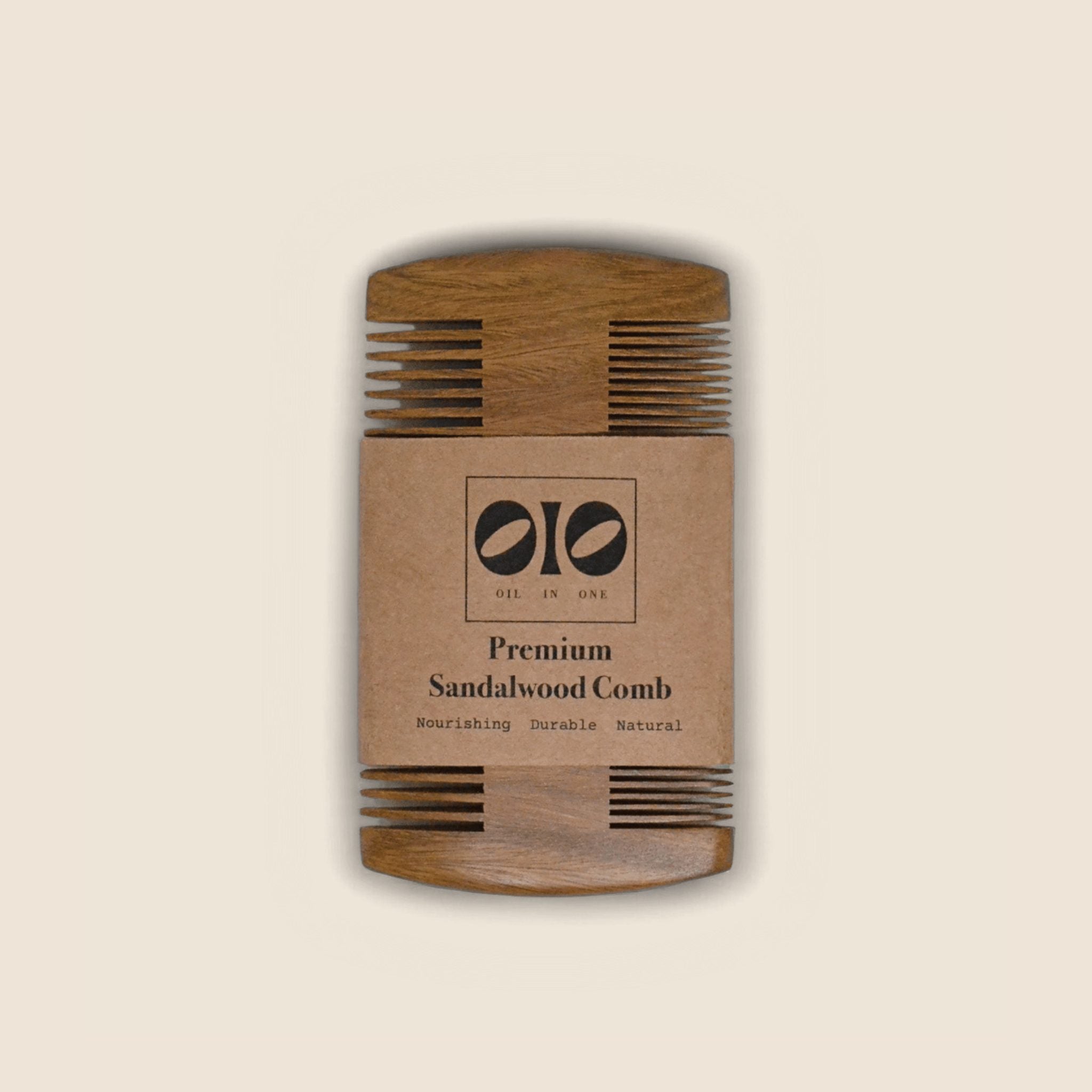
| Wood (such as sandalwood) | Smooth surface, less static, gentle on wet hair | Needs drying between uses, heavier | Weak, dry or frizzy hair |
| Plastic | Affordable, lightweight, widely available | Can build static, rough edges if poorly finished | Occasional use, sturdy hair |
| Seamless (moulded, no joins) | No rough seams to snag strands | Quality varies by manufacturer | Daily detangling |
Our sandalwood comb, priced at AED 60.00, has polished, rounded teeth that glide smoothly without pulling or snagging. Its anti-static design reduces static and keeps hair smooth.
Pros and Cons of Each Comb Type for Breakage
- Wooden combs: Pros include a smooth glide. Cons include moisture absorption, so dry them fully after each use.
- Plastic combs: Pros include low cost and easy replacement. Cons include static and sharp seams that can catch fragile strands.
- Seamless combs: Pros include no snag points. Cons include variable build quality, so check the finish before buying.
Best Comb for Thin Hair: Matching the Tool to Your Strands
Thin hair needs a comb that separates strands without dragging them down. A comb that works for thick hair can flatten fine hair or tear it at the roots.
Choose a wide-tooth design for detangling, and handle thin hair gently on dry hair.
A common mistake is buying one comb to cover every task. Two tools, used for different jobs, protect thin hair far better.
How to Detangle Weak Hair Step by Step
Most guides tell you which comb to buy and stop there. The bigger variable is technique: how you section, where you hold, and how many passes you make. A wide-tooth comb used with poor technique still breaks weak strands. Use the sequence below as a repeatable method rather than a one-off routine. A no-heat routine for strengthening weak hair covers what to do between combing sessions.
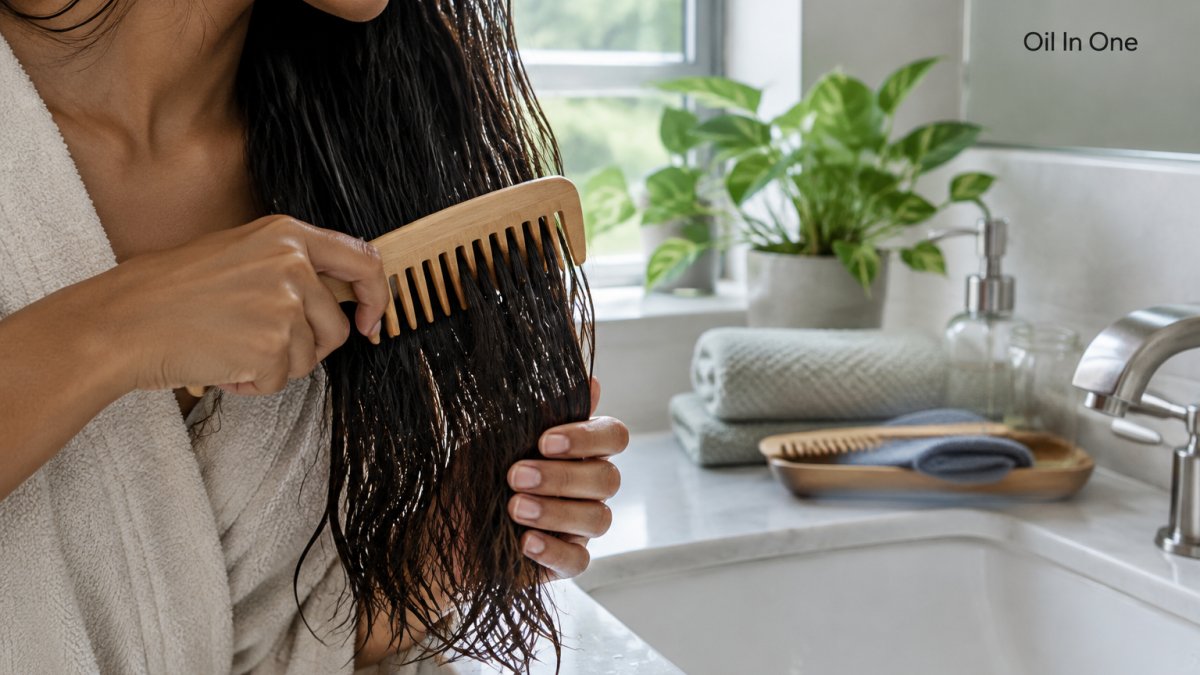
- Start on damp, conditioned hair. Apply conditioner to the mid-lengths and ends, leave it for two to three minutes, and detangle before rinsing. A nourishing conditioner routine explains how to choose and apply conditioner for weak strands. The conditioner provides slip so the comb glides rather than grabs. If your hair is soaking wet, squeeze out excess water first; dripping hair stretches more under the comb's weight.
- Section into four to six parts. Clip each section away from the one you are working on. Smaller sections mean fewer strands per stroke, which lowers the force on any single strand. For very fine or fragile hair, go to six or eight sections.
- Hold the hair above the knot. Pinch the section between two fingers a few centimetres above the tangle. This takes the pull off the root and keeps tension on the section you are working, not the scalp. Release and re-pinch as you move up the section.
- Comb the ends first. Place the wide-tooth comb a few centimetres from the ends and comb downward. Work through the last few centimetres until the comb passes freely, then move the starting point up by another few centimetres. Never start at the root on tangled hair.
- Work upward in small passes. Move from ends to mid-lengths to roots in stages. Each pass should meet little resistance; if the comb stops, stop with it and use your fingers to separate the knot rather than pulling through.
- Finish with a full root-to-tip pass. Once a section is clear, run the comb from root to tip in one slow stroke to confirm no hidden knots remain. Then move to the next section.
- Re-condition only where needed. If a section still catches, apply a little more conditioner to that area and repeat from the ends rather than combing the whole head again.
Watch out: forcing the comb through a knot is the single most common cause of breakage during detangling. If the comb will not pass, add slip or use your fingers; do not pull harder.
Wet or Dry Combing: Which Is Safer for Fragile Strands
Wet hair stretches more than dry hair, which makes it more vulnerable during combing. For weak hair, detangle while the hair is damp and coated with conditioner, not soaking wet.
Brushing dry, tangled hair is the fastest route to breakage.
Telling Breakage From Shedding and Caring for Your Comb
Breakage and shedding look similar on a comb but point to different causes, and only one of them is largely a comb-and-technique problem.
Breakage leaves short pieces, often with a split, frayed, or uneven end and no root bulb. It usually clusters where the comb catches: at the ends, at the nape, or around the hairline. It is the pattern most responsive to a better comb, gentler technique, and more slip during detangling.
Shedding leaves whole strands, usually with a small white or translucent bulb at one end. Shedding some hair daily is normal; the concern is a change in the amount, sudden thinning, or patches.
A practical check: after detangling, look at what is on the comb. Short, broken pieces suggest technique and tool are the place to start. Whole strands with bulbs, especially in larger amounts than usual or over several weeks, are a reason to speak to a healthcare professional rather than to keep changing combs.
Comb maintenance and hygiene
- Remove trapped hair after every use. Hair wound around the teeth holds dust and product and can snag the next section.
- Wash the comb weekly with mild soap and warm water, and use a soft brush to clear the gaps between teeth.
- Dry it flat with the teeth facing down so water does not sit in the joins. Wooden combs should never be left in standing water or dried on a radiator, which can warp or crack them.
- Check the teeth monthly for rough seams, chips, or bent tips. A damaged tooth catches cuticle and causes the micro-tears that build up over a week of washing; replace the comb rather than sanding a plastic one.
- Store the comb away from direct sunlight and heat, and keep a separate comb for styling so the detangling comb stays clean and smooth.
Watch out: a comb that looks fine can still have a rough seam along the mould line. Run a fingernail along the teeth; if it catches, the comb will catch hair too.
Choosing Your Next Comb for Weak Hair
Start with a wide-tooth comb with rounded teeth for detangling. Match the material to how your hair behaves: wood for dryness and static.
Our sandalwood comb is a practical place to start. Once you have a comb, a simple hair care routine for active growth shows how to build a full care approach around it. It is priced at AED 60.00 and designed for gentle detangling on weak strands. You can find it at https://oilinone.com/products/premium-sandalwood-comb.
Frequently Asked Questions
What type of comb is best for weak hair?
A wide-tooth comb with smooth, rounded teeth is generally the best choice for weak hair. The wide spacing lets the tool slide through strands without catching and snapping them, and rounded tips reduce scratching on the scalp. Wooden designs are often gentler than plastic, which can create static and friction. Look for a comb that glides with light pressure, and avoid any tool that snags or pulls when you move it through a single section.
Is a wide-tooth comb better for fragile hair?
Yes, a wide-tooth comb is usually better for fragile hair because it separates tangles without tugging at the strands. Fine-tooth combs grip more hair at once and can cause breakage when used on knots. Start at the ends and work upward in small sections, holding the hair above the tangle so you do not pull at the root. A wide-tooth design makes this method easier to follow consistently.
Should you comb weak hair when it is wet or dry?
Weak hair is most fragile when it is wet, because it stretches more and can break more easily. Many people find it safer to detangle with conditioner on damp hair, using a wide-tooth comb, then comb again once the hair is dry and styled. Dry combing should be done slowly and gently. Whichever approach you choose, avoid combing aggressively and keep sessions short to limit stress on the strands.
How can I detangle weak hair without breakage?
Apply a conditioner or leave-in product to damp hair first, then divide it into sections. Start combing at the ends, holding each section firmly above the knot to reduce tension on the scalp. Work up the hair gradually, moving the comb in small, patient strokes. Avoid tugging through knots, and if a tangle does not release, add more product rather than forcing the comb. Repeat this step-by-step method each time you wash or detangle.
