
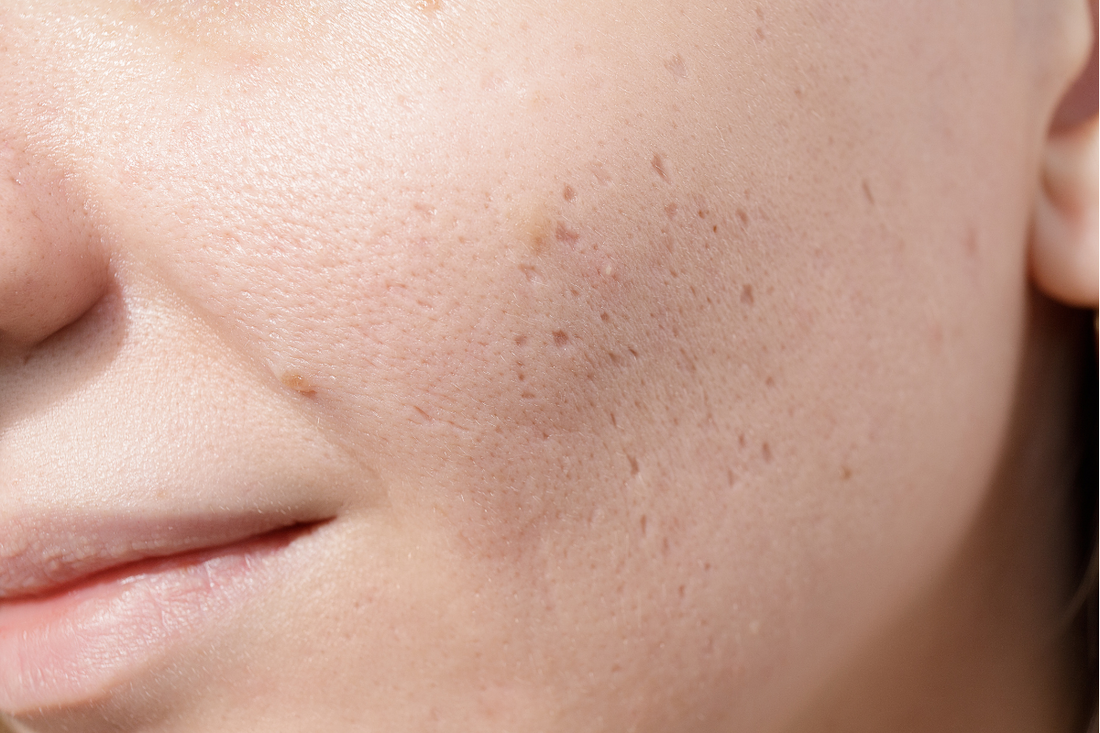
Derma stamp for Acne Scars: Effective Microneedling for Smoother Skin
The Oil In One TeamDermastamp for Acne Scars: Does It Work?
When it comes to tackling acne scars, microneedling has gained popularity as an effective treatment. Among the tools available, the dermastamp stands out as a precise and targeted option.
Unlike traditional methods, the dermastamp for acne scars provides controlled, even results, making it a superior choice for those looking to improve their skin texture.
In this guide, we’ll explore how the dermastamp works, why it’s better than other microneedling tools, and how to use it effectively.
What is a Dermastamp?
A dermastamp is a handheld microneedling tool equipped with a flat surface containing an array of fine needles. These needles create micro-injuries in the skin when gently pressed, triggering the body’s natural healing response.
This process boosts collagen and elastin production, essential for repairing damaged skin and reducing the appearance of acne scars.
Compared to derma rollers, which use a rolling motion, the dermastamp applies even pressure directly onto the skin. This precision makes it an ideal tool for treating acne scars, especially in small or sensitive areas.
Why Choose a Dermastamp for Acne Scars?
-
Precision Targeting: The dermastamp allows you to focus on specific areas, such as deep acne scars or uneven skin patches. Unlike a derma roller, which rolls across the skin and can cause dragging, the stamping motion ensures consistent treatment without unnecessary damage.
-
Reduced Skin Irritation: Since the dermastamp applies controlled pressure, it minimizes irritation and inflammation, making it suitable for sensitive skin types.
-
Better Results for Acne Scars: Acne scars often require targeted treatment. The dermastamp’s design ensures deeper penetration in problem areas, promoting collagen regeneration and skin smoothing.
-
Hygienic Design: The flat stamping surface reduces the risk of cross-contamination compared to a derma roller, which can trap bacteria on its cylindrical roller.
How Does the Dermastamp Work on Acne Scars?
The dermastamp creates tiny microchannels in the skin by puncturing the surface with fine needles. These microchannels stimulate the production of collagen and elastin, two proteins vital for repairing damaged skin and improving elasticity.
-
Collagen Boost: The controlled micro-injuries signal the skin to produce collagen, filling in depressions caused by acne scars.
-
Improved Skin Texture: Over time, the skin appears smoother and more even-toned as new skin cells replace damaged ones.
-
Enhanced Absorption: The microchannels enhance the absorption of skincare products, such as serums or oils, ensuring active ingredients reach deeper layers of the skin.
Needle Length: Why 0.75mm is Ideal
The dermastamp’s needle length plays a crucial role in its effectiveness. Our dermastamp features 0.75mm needles, which are perfect for:
-
Penetrating the skin deeply enough to stimulate collagen production without causing excessive damage.
-
Treating mild to moderate acne scars.
-
Minimizing downtime, as shorter needles result in quicker healing.
Longer needles may increase the risk of skin trauma, while shorter needles may not provide the desired results. The 0.75mm length strikes the perfect balance for most skin types.
How to Use the Dermastamp for Acne Scars
-
Cleanse Your Skin: Start with a gentle cleanser to remove dirt, oil, and makeup. Pat your skin dry.
-
Disinfect the Tool: Sterilize the dermastamp with rubbing alcohol to ensure it’s clean and safe to use.
-
Apply the Dermastamp: Gently press the dermastamp onto the affected areas, lifting it after each press to avoid dragging. Focus on acne scars or uneven skin patches.
-
Post-Treatment Care: After stamping, apply our All-In-One Butter, which contains healing ingredients like shea butter, avocado butter, argan oil, jojoba oil, and coconut oil. These natural ingredients soothe the skin, lock in moisture, and enhance the healing process. Use it immediately after stamping for maximum benefits, make sure you are using an the unscented butter.
-
Protect Your Skin: Avoid sun exposure and apply sunscreen daily to shield your skin from harmful UV rays.
Dermastamp vs. Derma Roller: Why the Dermastamp is Better
While derma rollers are popular, they are not ideal for treating acne scars due to their rolling motion. Here’s why the dermastamp is the superior choice:
-
Even Pressure: Derma rollers can create uneven pressure, leading to irregular microchannels. The dermastamp ensures consistent, precise application.
-
Reduced Risk of Skin Tears: The rolling motion of derma rollers can cause micro-tears, especially on delicate skin. The stamping motion eliminates this risk.
-
Targeted Application: The dermastamp excels in treating specific areas, while derma rollers are designed for larger surfaces.
-
Hygiene: The design of the dermastamp makes it easier to clean and maintain, reducing the risk of bacterial contamination.
For these reasons, the dermastamp is the go-to tool for treating acne scars effectively and safely.
Common Mistakes to Avoid
-
Overuse: Using the dermastamp too frequently can damage your skin. Limit use to once every 2-4 weeks.
-
Poor Hygiene: Always sterilize the tool before and after each use to prevent infections.
-
Skipping Sunscreen: Post-treatment skin is sensitive to UV rays. Always apply sunscreen to protect your skin.
-
Using Harsh Products: Avoid strong exfoliants or irritating skincare products immediately after treatment. Stick to soothing and hydrating products like our All-In-One Butter.
Why Choose Our Dermastamp?
At Oil in One, we prioritize quality and effectiveness. Our dermastamp is designed with precision and safety in mind, featuring:
-
Medical-Grade Needles: Ensuring safety and optimal results.
-
Ergonomic Design: Easy to handle for controlled application.
-
Versatility: Ideal for acne scars and enhancing skin texture.
Pair your dermastamp with our All-In-One Butter to achieve smoother, healthier skin. The combination of microneedling and nourishing care ensures optimal results for your skin.
Explore our dermastamp here and take the first step toward clearer, smoother skin.
Dermastamp for Acne Scars: Your Solution to Clearer Skin
If you’re struggling with acne scars, the dermastamp is a safe, effective, and precise tool to improve your skin. By stimulating collagen production and enhancing product absorption, it delivers noticeable results over time. Say goodbye to uneven skin texture and hello to a smoother, more confident you.
Pair your dermastamp with our All-In-One Butter, enriched with healing shea butter, avocado butter, and essential oils, to maximize the benefits and ensure optimal healing. Your journey to clearer skin starts today.