
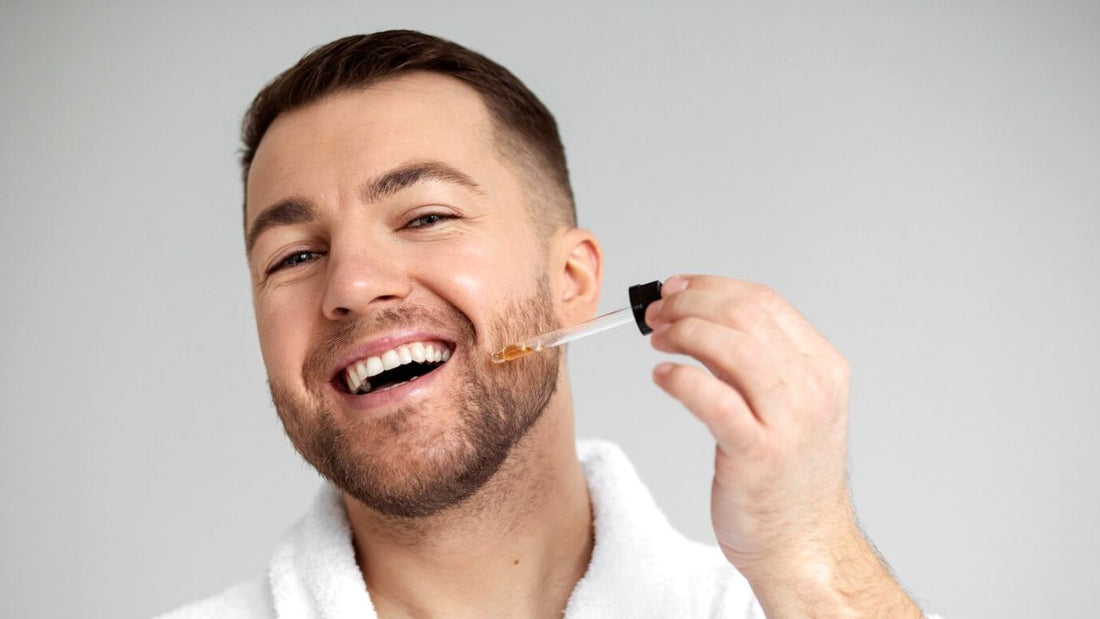
Does Beard Oil Have Side Effects? What You Need to Know Before Using It
The Oil In One TeamBeard oil is a must-have grooming essential for men who want a soft, healthy, and well-maintained beard. It hydrates, conditions, and tames facial hair while nourishing the skin underneath. However, some people wonder: Does beard oil have side effects?
The short answer is yes, but they are rare and mostly avoidable. When used correctly, high-quality beard oil is safe and beneficial. However, some individuals may experience skin irritation, allergic reactions, clogged pores, or greasiness, depending on the ingredients and skin type.
In this article, we’ll explore the potential side effects of beard oil, how to avoid them, and how to enhance your beard care routine with Oil in One’s Beard Oil, Growth Hair Oil, & Derma Stamp.
What Is Beard Oil and Why Do You Need It?
Beard oil is a blend of carrier oils (such as jojoba, argan, or coconut oil) and essential oils (like tea tree, cedarwood, or peppermint). It moisturizes the beard and skin, preventing dryness, itchiness, and flakiness while keeping facial hair soft and manageable.

Key Benefits of Beard Oil:
✅ Hydrates and conditions the beard
✅ Prevents beard dandruff (beardruff)
✅ Reduces itchiness and irritation
✅ Softens and tames unruly beard hair
✅ Enhances beard growth and thickness
Despite these benefits, improper use or sensitivity to certain ingredients may lead to side effects. Let’s explore them in detail.
Does Beard Oil Have Side Effects | Potential Side Effects of Beard Oil
1. Allergic Reactions to Essential Oils
Some beard oils contain essential oils like peppermint, eucalyptus, or tea tree, which can cause allergic reactions in some individuals.
Symptoms of an Allergic Reaction:
⚠️ Redness and irritation on the skin
⚠️ Itching or burning sensation
⚠️ Rash or hives
⚠️ Swelling in the applied area
✅ How to Avoid It: Always do a patch test before using a new beard oil. Apply a small amount on your wrist or behind your ear and wait 24 hours. If there’s no reaction, it’s safe to use.
2. Skin Irritation and Sensitivity
Some beard oils contain strong essential oils or synthetic fragrances, which may cause skin irritation, redness, or burning, especially for those with sensitive skin.
✅ How to Avoid It: Choose natural, fragrance-free beard oils with mild carrier oils like jojoba, argan, or coconut oil, which are gentle on the skin.
3. Clogged Pores and Acne Breakouts
Beard oil is meant to hydrate your skin, but using too much or applying it incorrectly can clog pores and cause breakouts—especially if you have oily or acne-prone skin.
Why Does This Happen?
🚫 Applying too much oil leads to excess buildup
🚫 Heavy carrier oils (like coconut oil) may be comedogenic (pore-clogging)
🚫 Dirt and bacteria can mix with excess oil, causing pimples under the beard
✅ How to Avoid It: Use lightweight, non-comedogenic oils like jojoba or argan oil and apply only a few drops to prevent buildup.
4. Excessive Greasiness and Oily Residue
Applying too much beard oil can make your beard look greasy and feel heavy. Instead of a well-groomed, soft beard, it may appear shiny, oily, and unkempt.
✅ How to Avoid It:
✔️ Use only 2-3 drops for a short beard and 4-6 drops for a longer beard
✔️ Distribute the oil evenly using a sandalwood comb
✔️ Choose a fast-absorbing beard oil, like Oil in One Beard Oil, for a non-greasy finish
5. Beardruff (Beard Dandruff) from Overuse
Ironically, using too much beard oil can worsen beard dandruff. When excess oil builds up, it can trap dead skin cells, leading to flakes and an itchy beard.
✅ How to Avoid It:
✔️ Wash your beard 2-3 times a week with a mild beard shampoo
✔️ Exfoliate your skin once a week using a derma stamp
✔️ Massage your beard with a massager to increase blood circulation and reduce flakes
6. Unpleasant or Overpowering Fragrance
Some beard oils contain strong essential oils or synthetic fragrances, which can be too overpowering and cause headaches or nausea.
✅ How to Avoid It: Choose a beard oil with natural, mild essential oils or opt for an unscented version if you have fragrance sensitivity.
How to Safely Use Beard Oil Without Side Effects
To enjoy the benefits of beard oil without experiencing side effects, follow these best practices:

1. Choose a High-Quality Beard Oil
Look for beard oils with natural, organic ingredients and avoid those with synthetic fragrances, parabens, or alcohol. Oil in One’s Beard Oil is made with premium oils that are gentle and effective.
2. Do a Patch Test Before Use
Always apply a small amount on your skin first and wait 24 hours to check for allergic reactions.
3. Use the Right Amount
Less is more—start with 2-3 drops for short beards and 4-6 drops for longer beards.
4. Apply It Correctly
✔️ Wash your beard before applying oil
✔️ Rub a few drops between your palms
✔️ Massage it evenly into the beard and skin
✔️ Use a sandalwood comb to distribute the oil
5. Avoid Overuse
Using beard oil once or twice daily is enough. Too much oil can lead to greasiness, clogged pores, and beardruff.
Enhance Your Beard Care Routine
Pairing beard oil with the right grooming tools can maximize benefits and reduce side effects.
✅ Growth Hair Oil for Beard Thickness
Combining beard oil with Oil in One’s Growth Hair Oil can stimulate faster, thicker growth and reduce patchiness.
✅ Derma Stamp for Better Absorption
Using a derma stamp before applying beard oil helps stimulate blood flow and improves absorption of nutrients for better growth.
Why Choose Oil in One?
At Oil in One, we offer high-quality, natural beard care products designed to keep your beard healthy, soft, and well-groomed.
✅ Organic Beard Oil – Hydrates, softens, and tames beard hair
✅ Growth Hair Oil – Boosts thickness and reduces patchiness
✅ Derma Stamp – Stimulates blood flow for better growth
Conclusion: Is Beard Oil Safe?
Yes! Beard oil is safe when used correctly, but improper use or sensitivity to certain ingredients may cause minor side effects. By choosing high-quality, natural beard oil, applying the right amount, and following a proper beard care routine, you can avoid irritation, clogged pores, or greasiness. Hope so, now you know why does beard oil have side effects.
🔥 Upgrade your beard care with Oil in One’s premium beard oil and grooming tools! 🚀