
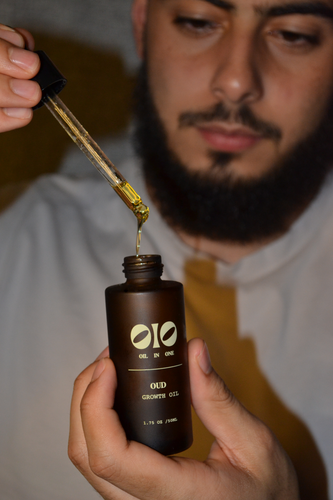
Organic VS Synthetic Oils, Know the Difference.
Haseeb Aslam
If you are someone who takes great pride in maintaining a healthy and stylish beard, then you are likely familiar with the importance of using beard oils. These oils help to nourish and moisturize your beard, while also keeping it looking neat and well-groomed. However, not all beard oils are created equal. In this post, we will take a closer look at organic vs synthetic beard oils and why you should choose organic.
Organic Beard Oils
Organic beard oils are made using natural, organic ingredients that are grown and processed without the use of synthetic pesticides, fertilizers, or other harmful chemicals. These oils are often made using ingredients such as Jojoba Oil, Argan Oil, and Black Seed Oil, which are known for their nourishing and moisturizing properties. Organic beard oils are also often scented with natural essential oils, which provide a pleasant and refreshing aroma.
Benefits of Organic Beard Oils
Natural Ingredients: Organic beard oils are made using natural ingredients that are better for your skin and overall health. Synthetic beard oils, on the other hand, often contain chemicals that can irritate your skin and cause long-term health problems.
Environmental Impact: Organic beard oils are typically grown and processed using eco-friendly methods, which are better for the environment. Synthetic beard oils, on the other hand, are often made using non-renewable resources and can have a negative impact on the environment.
Better Absorption: Organic beard oils are generally better absorbed by your skin and beard than synthetic oils. This means that your beard will be better moisturized and nourished, resulting in a healthier and more attractive appearance.
No Harmful Chemicals: Organic beard oils are free from harmful chemicals, making them safe for daily use. Synthetic beard oils, on the other hand, may contain chemicals that can potentially cause health problems over time.
Synthetic Beard Oils
Synthetic beard oils, on the other hand, are made from lab-created chemicals, such as mineral oil and silicone. They are designed to mimic the properties of natural oils, but without the impurities. Synthetic beard oils can sometimes offer a a longer-lasting scent. They are also less likely to spoil than organic oils , as they do not contain natural preservatives, but are indeed chemically preserved. These oils are often cheaper than organic beard oils, but they also come with a number of drawbacks.
Drawbacks of Synthetic Beard Oils
Harsh Chemicals: Synthetic beard oils often contain harsh chemicals that can irritate your skin and cause long-term health problems.
Poor Absorption: Synthetic beard oils are often poorly absorbed by your skin and beard, leaving behind a greasy or oily residue.
Environmental Impact: Synthetic beard oils are often made using non-renewable resources and can have a negative impact on the environment.
Why Choose Organic Beard Oils?
Overall, organic beard oils are the better choice for a number of reasons. They are made using natural, organic ingredients that are better for your skin and overall health. They are also more eco-friendly and better absorbed by your skin and beard, resulting in a healthier and more attractive appearance. By choosing organic beard oils, you can rest assured that you are using a product that is safe, effective, and good for the environment. So why not try an organic beard oil today and see the difference for yourself?