
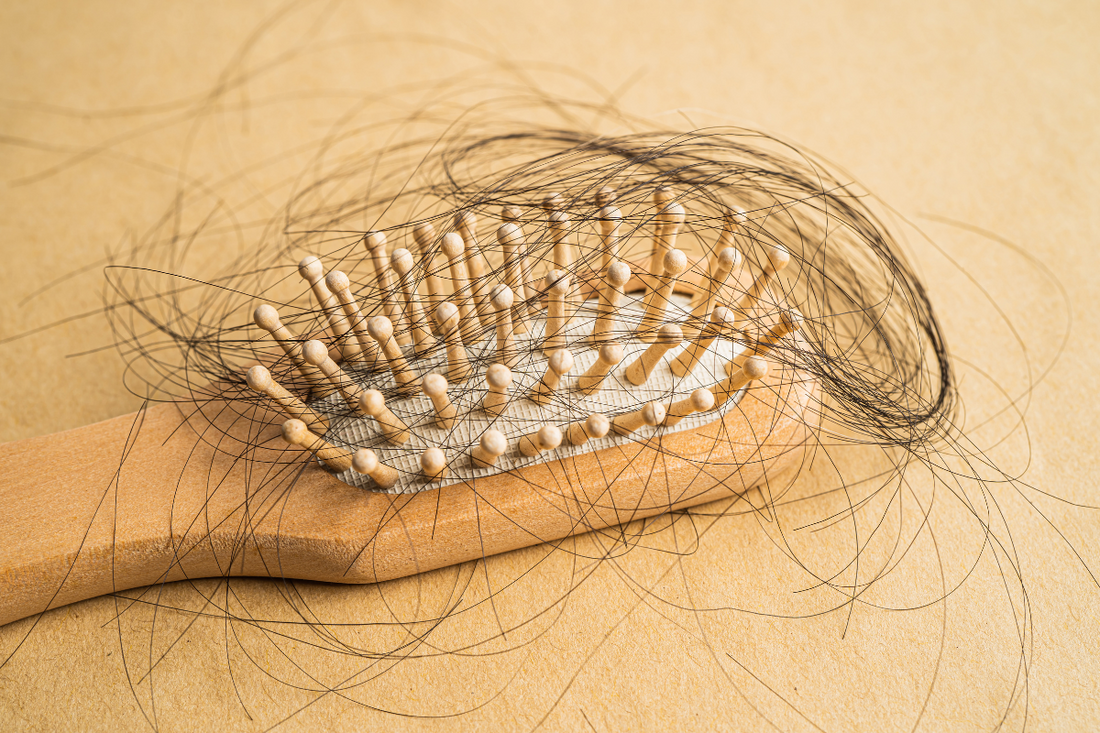
Why There Is Hair Fall After Applying Oil: The Causes and Solutions
The Oil In One TeamHair fall is a common concern for many people, especially when they are actively trying to improve hair health using hair oils. While oils like Hair Growth Oil, Hair Serum, and even natural oils like Rosemary Oil for Hair Growth are often recommended to nourish the hair and encourage growth, some individuals experience increased hair shedding after applying these oils.
This can be confusing and concerning, particularly when you’re investing in products to improve your hair health.
I will explore why hair fall may occur after applying oil, how certain oils can impact hair shedding, and the best practices for using hair oils to promote healthy hair growth without exacerbating hair loss.
Say goodbye to hair thinning and hello to a revitalised scalp with Oil in One Growth Oil, a natural remedy formulated to restore and regrow your hair.
Why Hair Fall Occurs After Applying Oil
Hair fall after applying hair serum oil can be alarming, but it’s important to understand that it’s not always a sign of damage or that the product is ineffective. Several factors can contribute to increased hair shedding after oil application, and these factors might be temporary or indicative of underlying issues.
1. The Natural Hair Growth Cycle
-
Telogen Phase: Hair growth occurs in cycles. The telogen phase, also known as the resting phase, is when hair follicles are at rest, and old hair begins to shed. If you notice increased shedding after applying oil, it could be due to the natural shedding of hair entering the telogen phase. This process can sometimes be accelerated when the hair follicles are stimulated by products like oils.
-
Anagen Phase: This is the active growth phase. Applying oil can help nourish hair follicles and encourage hair to enter the anagen phase. However, if you're experiencing more shedding than usual, it might just be the tail end of old hair shedding in preparation for new growth.
2. Over-Application of Oil
-
Heavy Application: Applying too much oil can weigh down your hair and cause buildup on your scalp. This buildup can clog hair follicles, potentially leading to hair fall. When the scalp is overloaded with oil, it can result in excessive shedding.
-
Scalp Sensitivity: Some people have sensitive scalps that may react negatively to oil products. This could manifest as irritation or even increased shedding. If the oil is not absorbed properly, it can also attract dust and dirt, which may contribute to hair breakage and fall.
3. Improper Application Technique
-
Aggressive Massage: While massaging oil into your scalp can promote circulation, it’s important to be gentle. Aggressive massaging can cause mechanical damage to the hair follicles, leading to hair breakage or fall. It’s crucial to use soft, circular motions when massaging oil into the scalp.
-
Rough Hair Handling: When applying oil, if you are rough on your hair (combing or brushing aggressively after applying oil), it can cause hair strands to break. Always use a sandalwood comb or your fingers to gently detangle hair after oiling it.
4. Use of the Wrong Oil for Your Hair Type
-
Not all oils are suitable for every hair type. If you’re using hair serum oil that doesn’t suit your hair type or condition, it could lead to adverse effects, including hair fall. For example, some oils can be too heavy for fine hair, making it appear greasy and causing hair to fall out due to weight.
5. Underlying Health Conditions
-
Hormonal Changes: Hormonal imbalances, such as those that occur during stress, pregnancy, or menopause, can contribute to hair fall. If you experience significant hair loss after applying oil, it could be linked to an underlying hormonal issue rather than the oil itself.
-
Nutritional Deficiencies: A lack of essential nutrients like vitamins, iron, and protein can weaken the hair, making it more prone to shedding. If hair fall persists even after using hair oils, it might be time to check your diet or consult with a healthcare professional.
-
Scalp Conditions: Conditions such as dandruff, seborrhoeic dermatitis, or fungal infections can cause hair shedding. If your scalp is inflamed or irritated, applying oil may aggravate the situation, leading to increased hair loss.
How to Prevent Hair Fall After Applying Oil
While hair fall after applying oil can be unsettling, there are several ways to prevent this from happening and to make sure you’re using hair oils effectively to promote growth.
1. Choose the Right Hair Growth Oil
-
Tailored Oils: Opt for oils that are specifically formulated for your hair needs. For dry or thinning hair, use oils that nourish and hydrate, like Hair Growth Oil. If you're targeting hair loss or promoting thicker hair, oils like Rosemary Oil for Hair Growth can help stimulate blood flow to the scalp and support healthier follicles.
-
Natural and Light Oils: For those with fine hair or sensitive scalps, lighter oils like jojoba oil or argan oil are better choices, as they hydrate without clogging pores or weighing hair down.
2. Use the Right Amount of Oil
Moderate Application: Apply only a small amount of oil, especially if you have fine or oily hair. You can always add more if needed, but avoid over-applying oil, which can clog pores and cause buildup on the scalp. A few drops of Hair Growth Oil or Rosemary Oil for Hair Growth should be enough to nourish the scalp and hair.
3. Gentle Scalp Massage
Soft Application: When massaging oil into your scalp, use gentle, circular motions. Avoid applying too much pressure or tugging at the hair, as this can cause breakage. Aim for a calming, relaxing massage using a bamboo massager rather than an aggressive one.
4. Use a Mild Shampoo
Regular Cleansing: After applying oil, it’s essential to wash your hair thoroughly with a mild shampoo. Avoid harsh shampoos that could strip your hair of moisture. Use a sulfate-free shampoo to gently cleanse the oil from your scalp without causing dryness or irritation.
5. Be Consistent, But Don’t Overdo It
Routine Use: Regular use of hair oil can improve the overall health and growth of your hair, but avoid overdoing it. Applying oil too frequently may lead to buildup, which can cause more shedding. Stick to a routine that works for your hair type—once or twice a week should suffice for most people.
6. Address Scalp Health
Keep Scalp Healthy: Ensure that your scalp is free from excess oil, dirt, and buildup. Regularly exfoliate your scalp or use a gentle clarifying shampoo to keep it clean and prevent clogged follicles. Keeping your scalp healthy can prevent hair loss caused by irritation or inflammation.
Best Oils for Hair Growth and Preventing Hair Fall
When it comes to preventing hair fall and encouraging growth, certain oils stand out for their effectiveness. Some of the best options include:
Hair Growth Oil:
A nutrient-rich formula designed to stimulate hair follicles, improve scalp health, and promote stronger, thicker hair growth. Regular use of Hair Growth Oil can prevent dryness, breakage, and hair thinning.
Rosemary Oil for Hair Growth:
Known for its ability to increase blood circulation to the scalp, Rosemary Oil for Hair Growth is an excellent choice for encouraging hair follicles to produce new hair. It is especially effective for preventing hair thinning and promoting healthier hair growth.
Argan Oil:
Packed with vitamin E and fatty acids, argan oil nourishes and hydrates the hair, reducing frizz and preventing split ends. It also strengthens the hair, preventing breakage.
Jojoba Oil:
Mimicking the natural oils produced by the scalp, jojoba oil helps balance moisture levels, prevent dryness, and maintain a healthy scalp environment for better hair growth.
Final Thoughts: Using Oil Without the Hair Fall Worry
Hair fall after applying oil can happen for various reasons, including overuse, improper application, and natural hair shedding. By understanding the causes and adopting best practices, you can avoid excessive hair fall and enjoy the benefits of nourishing oils like Hair Growth Oil and Rosemary Oil for Hair Growth.
Be gentle with your hair, choose the right oils for your needs, and maintain a consistent routine to help improve the overall health of your hair. If hair loss persists despite proper oil application, consider consulting with a dermatologist or healthcare provider to rule out any underlying issues.
By using oils correctly and following the best practices, you can nourish your hair, improve growth, and avoid unwanted hair fall.
For an unbeatable beard growth experience, trust Oil in One Growth Oil, which is specially crafted to deliver rich nutrients to your beard.