

Why Hair Gets Dry in Dubai and How to Fix It
Editorial TeamLast Updated: November 24, 2026
Quick Summary
Why hair gets dry in Dubai comes down to a combination of factors rather than one cause: heat and low humidity pull moisture from the hair shaft, air conditioning dries indoor air, and hard water leaves calcium and magnesium buildup that blocks conditioner and increases friction. The fix is to hydrate without over-cleansing, clarify every week or two, and oil the scalp.
- Heat lifts the cuticle and low humidity pulls water from the shaft, causing roughness and frizz.
- Dryness is a rough cuticle; dehydration is water loss inside the shaft, and they need different fixes.
- Hard water leaves a calcium and magnesium film that blocks conditioning agents and raises surface friction.
- Clarify every week or two to lift mineral residue, using it sparingly because it can be drying.
- Shampoo the scalp only, condition every wash, mask once a week and apply leave-in to damp ends.
Table of Contents
- Why Hair Gets So Dry Here: The Climate and Water Factors
- Dryness vs Dehydration: What Your Hair Is Actually Telling You
- How Dubai Hard Water Hair Damage Happens
- A Step-by-Step Diagnostic for Your Hair and Scalp
- How to Hydrate Dry Hair Without Over-Cleansing
- Sun Protection for Hair: Shade, Cover and Rinse
- Choosing a Hair Oil for Dry Hair That Reaches the Scalp
- Routines by Hair Type and Season, From Humid to Indoors
- Start Your Scalp-First Routine with Oil In One
- Frequently Asked Questions
Why Hair Gets So Dry Here: The Climate and Water Factors
If you have ever wondered why hair gets dry in Dubai so fast, the answer sits in the air and the water. At Oil In One, we hear the same story from customers across the UAE: hair that felt fine elsewhere turns rough, dull and brittle within weeks of arriving. This guide explains what is happening and how to fix it.
The causes stack up. Heat pulls moisture from the hair shaft. Low humidity speeds up moisture loss. Air conditioning dries the air indoors. And the water itself leaves mineral buildup behind. According to the World Health Organization's guidance on water hardness, hard water is a common household issue in arid regions, and it changes how soap and shampoo behave on skin and hair.
Here is the part most guides miss: no single factor is to blame. It is the combination.
Heat, Sun and Low Humidity
High temperatures lift the hair cuticle slightly, which lets moisture escape faster. Low humidity then pulls water from the hair shaft into the drier air around it. The result is rough texture, static and frizz.
Sun exposure adds UV damage on top. UV breaks down the proteins that keep strands strong, so ends split and colour fades.
- Heat opens the cuticle
- Dry air pulls moisture out
- Sun weakens the strand itself
Air Conditioning and Indoor Dryness
Air conditioning removes moisture from indoor air. Many people spend most of the day in cooled offices and cars, so hair sits in dry indoor air for hours.
That swings the other way when you step outside into humid air. The cuticle swells, the curl pattern shifts, and frizz appears. This indoor-outdoor whiplash is one of the most underrated causes of dry, dehydrated hair.
Dryness vs Dehydration: What Your Hair Is Actually Telling You
Dry hair and dehydrated hair are not the same problem, and they need different fixes. Dryness is a surface issue: the cuticle is rough and the strand feels coarse. Dehydration is a moisture issue: the hair shaft has lost water from inside.
Think of it this way. Dryness is about the outer layer. Dehydration is about water content. You can have one without the other.
| Signal | Dryness | Dehydration |
|---|---|---|
| Feel | Rough, straw-like | Limp, brittle |
| Look | Dull, frizzy | Flat, static-prone |
| Break point | Split ends | Mid-shaft snapping |
| Fix | Smooth the cuticle | Replenish water, seal it in |
A common mistake is treating both with heavy products. That adds weight without fixing water loss.
How Dubai Hard Water Hair Damage Happens
Dubai hard water hair damage builds slowly, and that is why so many people miss it. Water carries dissolved minerals, mainly calcium and magnesium. When water evaporates from your hair, those minerals stay behind.
Over time, they coat the hair shaft. Conditioner stops absorbing. Strands feel stiff. Colour looks flat. The U.S. Geological Survey's explanation of water hardness describes hardness as a measure of dissolved minerals, and that same mineral load is what clings to hair.
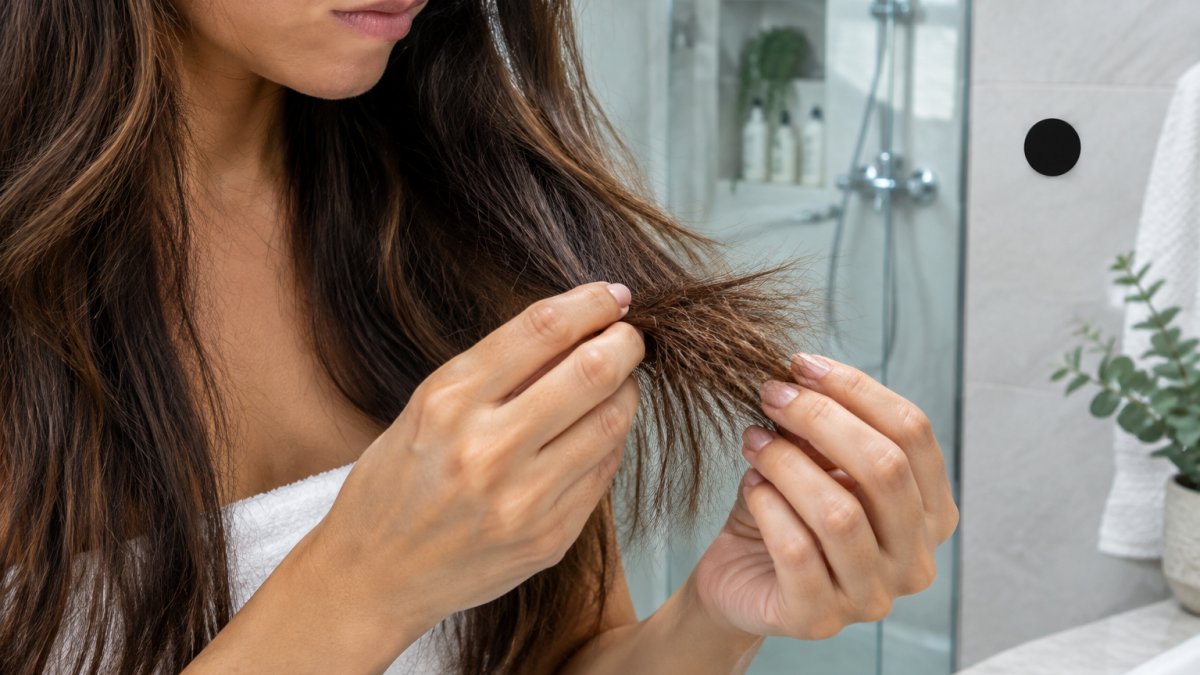
The mechanism matters more than the label. Hard water leaves a film of calcium and magnesium salts on the cuticle. That film does two things: it blocks conditioning agents from binding to the strand, and it increases surface friction between hairs. Higher friction means more tangling, more mechanical wear during brushing, and more breakage over time. It also dulls colour because the film scatters light instead of letting it reflect off smooth cuticle.
Mineral Buildup, Shedding and What You Can Do
Mineral buildup makes hair feel rougher, so brushing and washing create more friction. More friction means more breakage and more shedding during washing.
Hard water can make strands rougher and more prone to snapping, which can increase breakage and the appearance of shedding. If you are seeing short broken pieces and rough ends, mineral buildup is a plausible contributor.
The fix is not more shampoo. It is a clarifying wash every week or two to lift residue, plus a filter on your shower head if you want to reduce minerals at the source. Use it sparingly, because it can be drying.
You can check your water at home. Limescale on taps, shower heads, and kettles is a practical indicator of hardness. If scale builds quickly, assume your water is hard and adjust your routine accordingly. A simple test is to wash a glass and let it air-dry: cloudy spots suggest mineral residue.
A Step-by-Step Diagnostic for Your Hair and Scalp
Before you buy another product, work out what your hair actually needs. This five-step check takes about ten minutes.
- Wash day test. Note how hair feels wet. Squeaky and stiff points to buildup. Soft but weak points to dehydration.
- Stretch test. Take one shed strand and stretch it gently. Snaps fast means low moisture. Stretches and springs back means protein is fine.
- Scalp check. Look for flakes, itch or redness at the root. Scalp health drives strand health.
- Water check. Notice limescale on taps and shower heads. That is the same mineral load hitting your hair.
- Routine audit. Count heat styling sessions, chemical treatments and washes per week.
Write the answers down. Then match your result to the table above. Most people find they have some dryness and some dehydration at once.
How to Hydrate Dry Hair Without Over-Cleansing
The goal is simple: clean the scalp without stripping the strand. Most people over-cleanse and under-hydrate.
Start by washing less often, or switch to a gentler hydrating shampoo. Focus shampoo on the scalp only, and let it rinse through the ends. Then apply conditioner from mid-length to ends.
Add a weekly hair mask and a leave-in conditioner for the last few inches. For a full method, follow our step-by-step guide to clarifying hair without drying it out.
- Shampoo the scalp, not the ends
- Condition every wash
- Mask once a week
- Leave-in on damp ends
If you swim, rinse immediately. Chlorine and salt water both pull moisture out fast.
Sun Protection for Hair: Shade, Cover and Rinse
Sun protection for hair matters as much as sun protection for skin. UV exposure weakens the hair shaft and fades colour.
Wear a hat or scarf when you are outside for long stretches. Seek shade at midday. Rinse hair with fresh water after sea or pool dips.
For deeper guidance on shielding hair from sun and sand, read our guide to protecting hair from sand and sun.
A leave-in with UV filters helps, but it is not a substitute for covering up. Physical protection beats product every time.
Choosing a Hair Oil for Dry Hair That Reaches the Scalp
Here is the myth we hear most: oil goes on the ends. Wrong. Hair grows from the root, so a hair oil for dry hair has to reach the scalp to do its job.
That is why we built our Organic Scalp & Hair Oil around a light jojoba and argan base. It carries 11 botanicals, including rosemary, bhringraj and black seed oil. No mineral oil, no silicones, no synthetic fragrance.
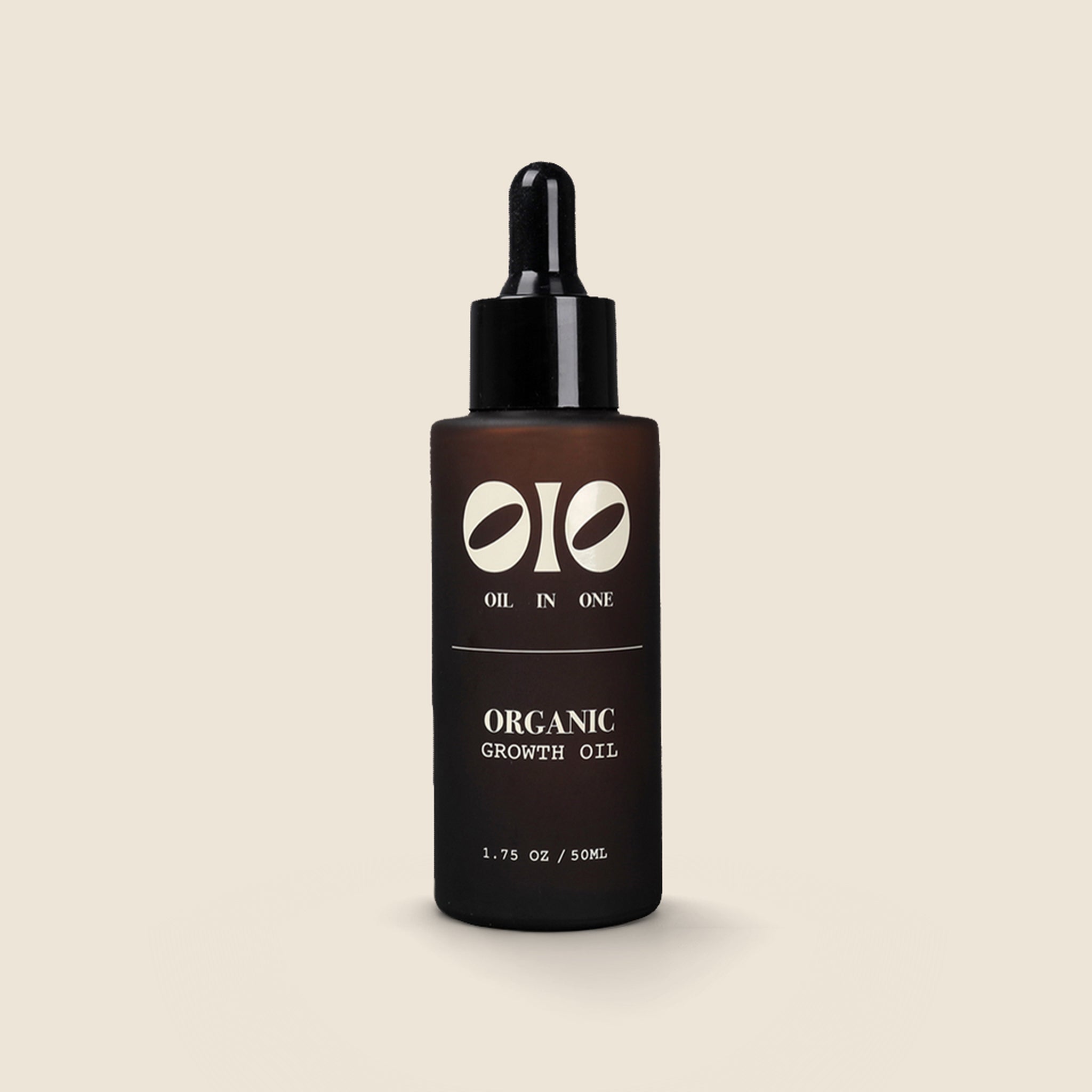
Apply a few drops along each parting, at the root. A few drops is enough. More oil does not mean more benefit.
Routines by Hair Type and Season, From Humid to Indoors
One routine does not fit every head. Curly hair holds moisture differently from straight hair, and the season changes everything. The table below gives a starting point, then the notes explain why each adjustment matters.
| Hair type | Wash frequency | Hydration focus | Oil use | Watch point |
|---|---|---|---|---|
| Fine, straight | 2-3 times a week | Light, water-based leave-in | A few drops at the root only | Heavy masks weigh hair down |
| Wavy | 2-3 times a week | Leave-in plus scrunch while damp | Light oil on ends | Frizz between washes |
| Curly | 1-2 times a week | Layer leave-in under a light oil | Oil on damp ends and scalp | Dryness at the crown |
| Coily | 1-2 times a week | Seal water-based moisture with oil | Oil on damp hair | Breakage at night |
| Colour-treated | 2-3 times a week | Bond-building and hydrating masks | Light oil on ends | Fading and porosity |
| Chemically treated | 2-3 times a week | Protein and moisture balance | Light oil on ends | Over-protein brittleness |
- Straight hair: light oil at the root, wash three times a week, avoid heavy masks. Fine hair has less surface area to hold product, so a little goes a long way.
- Wavy hair: add a leave-in and scrunch while damp to support the curl pattern. Wavy hair sits between straight and curly, so it needs hydration without weight.
- Curly hair: layer a leave-in under a light oil, and refresh between washes. Curly-haired readers can follow our UAE routine for keeping curly hair moisturised. Curls lose moisture at the bends, so sealing damp hair matters more than for straight hair.
- Coily hair: seal moisture with oil on damp hair, and protect at night. A satin bonnet or pillowcase reduces friction and breakage.
- Colour-treated hair: porosity rises after colouring, so hair absorbs water fast and loses it fast. Use a hydrating mask weekly and a light oil on ends.
- Chemically treated hair: balance protein and moisture. Too much protein makes hair stiff and brittle; too much moisture makes it limp. Alternate a protein mask and a hydrating mask week by week.
Season matters too, and the swing is bigger here than in temperate climates. In humid months, use less oil and focus on frizz control, because the air is already delivering moisture and heavy products trap it unevenly. In cooler indoor months, add a weekly mask, because air conditioning and cooler evenings pull moisture from the air and from hair.
If you move between air conditioning and outdoor heat all day, treat your hair as dehydrated and lean on water-based hydration first, then seal with a light oil. A practical rule: hydrate in the morning before you leave, seal at night before bed. That matches the two moments when hair loses the most moisture.
Watch out: switching routines too often makes it impossible to tell what works. Give any hair-type routine at least four to six weeks before judging it, and change one variable at a time.
Start Your Scalp-First Routine with Oil In One
Scalp care takes weeks, not days, so give the routine a full 15 weeks before judging results.
Our routine is three steps. Apply oil to the scalp before washing, three times a week. Massage gently with fingertips or a Bamboo Scalp Massager for a few minutes. Shampoo as normal and rinse once.
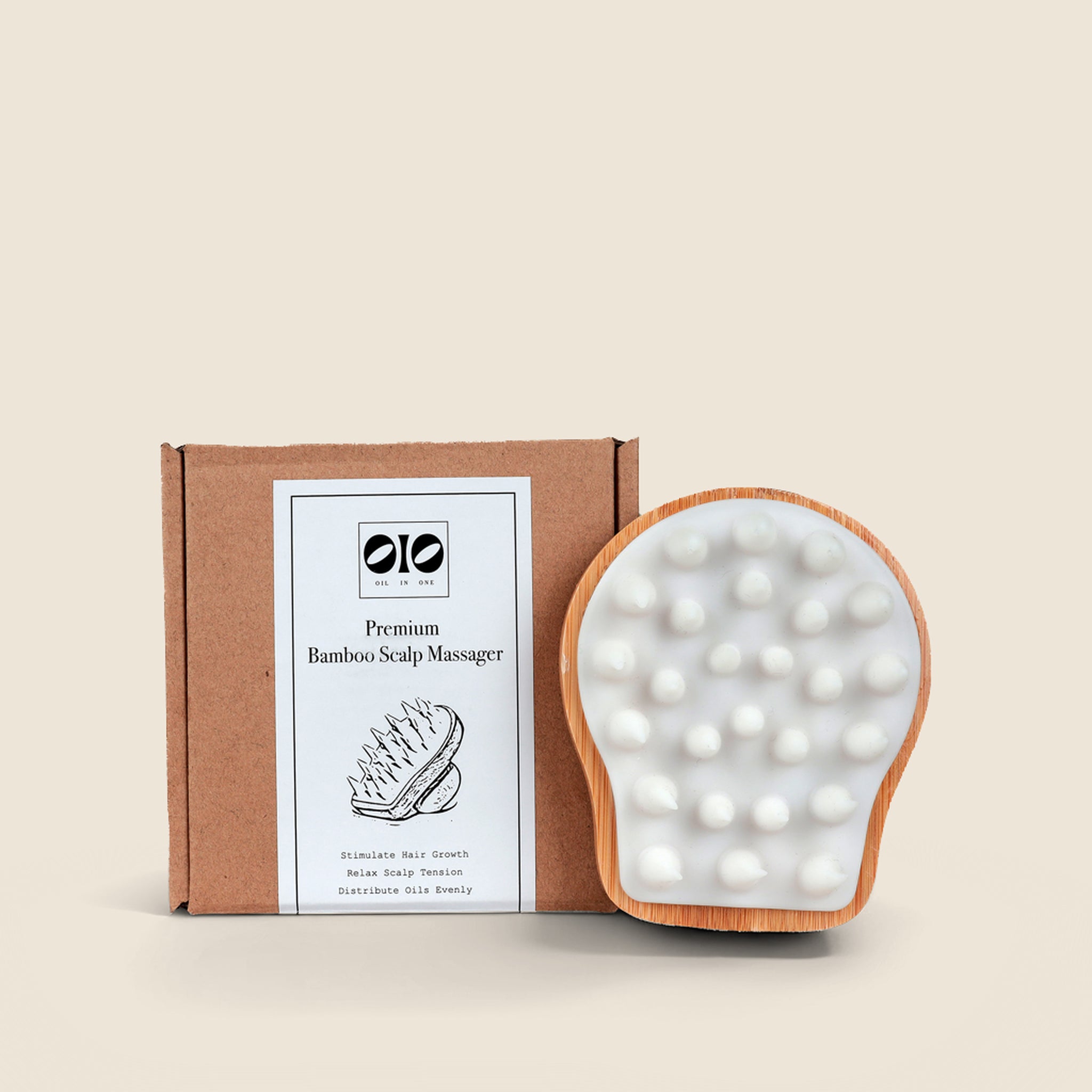
We focus on one product done well, with every ingredient listed in plain language. Our customers tell us the difference: "I don't lose as much hair during my showers and brushing," says Maryam. "This oil is not greasy and it absorbs very well," adds Noor H.
Dry, brittle hair in this climate is not a life sentence. It is a moisture problem with a moisture fix, and it starts at the root. Get started with Oil In One and give your scalp 15 weeks of the routine it has been asking for.
Frequently Asked Questions
Why does hair get so dry in Dubai?
Three things combine: intense heat and sun, very low humidity that pulls moisture from the hair shaft, and constant air conditioning indoors. Add hard water with high mineral content and frequent washing, and the cuticle roughens, moisture escapes and hair looks dull and frizzy. It is rarely one cause. A scalp-first routine that limits over-cleansing, adds a pre-wash oil and protects hair from sun and chlorinated or salty water addresses most of the problem.
Can Dubai's hard water make hair dry or frizzy?
Yes. Hard water leaves calcium and magnesium deposits on the hair shaft, which roughen the cuticle and make hair feel straw-like and tangle easily. Over time, mineral buildup can make strands brittle and increase breakage during brushing and washing. A clarifying wash every two to three weeks, a shower filter if you want to reduce minerals at source, and a light pre-wash oil that helps protect the scalp are practical steps. If shedding continues, speak to a dermatologist.
How often should I wash dry hair here?
Most people with dry or dehydrated hair do well washing two to three times a week with a gentle shampoo. Daily washing with a strong cleanser strips natural oils and worsens dryness. If you exercise or swim, rinse with water and apply conditioner on the ends, then do a full wash on your regular day. A pre-wash scalp oil used three times a week before shampooing helps seal in moisture without leaving hair greasy.
What ingredients help moisturise dry hair?
Look for humectants and light oils that sit on the scalp without weighing hair down. Jojoba and argan oil are light and rinse out easily, while rosemary, bhringraj, pumpkin seed and black seed oils support the scalp and roots. Avoid heavy mineral oil and silicones if you want a formula that washes out in one shampoo. Apply a few drops at the root along each parting, massage gently for a few minutes and leave on for at least 30 minutes before washing.
